
Table of Contents
Imagine this: It’s 3 AM. A faint, unfamiliar sound jolts you awake. Your heart pounds. Is it the wind? The cat? Or something… else? In that paralyzing moment, the terrifying question isn’t what the sound is, but “Is my family safe?” and “Could I have done more?”
Or: you’re miles away, yet an intruder tests your back door. Without proper home protection systems, that moment slips into the unknown – a chilling vulnerability. But what if your walls could think, your locks could speak, and unseen guardians stood watch? Modern home security systems transform that “what if” into your reality, blending cutting-edge tech with ironclad vigilance. Today’s advanced systems contribute to crime prevention by using features like facial recognition and video verification to detect and respond to suspicious activity, helping stop intrusions before they escalate and assisting law enforcement. Whether it’s seamless burglar alarm installation or professional security systems with 24/7 monitoring, your peace of mind isn’t negotiable.
Because your home is your haven, your sanctuary. It’s where laughter echoes, memories are made, and your most precious treasures – your loved ones – rest. Yet, in today’s world, relying solely on sturdy locks and good intentions feels increasingly like leaving the back door wide open. Are you truly confident your home protection systems are robust enough against modern threats?
Think about it: Burglaries happen in seconds. Fires can ignite unnoticed. Emergencies strike without warning. Home security systems are no longer a luxury reserved for mansions; they’re a fundamental layer of modern safety, a digital shield for your physical world. But with so many options – from basic home alarm systems to sophisticated professional security systems with 24/7 monitoring – how do you navigate the noise? How do you choose between a quick DIY fix and expert burglar alarm installation? And what about the vital role of security monitoring services that act as your ever-watchful guardians?
This isn’t just about gadgets; it’s about peace of mind. It’s about transforming vulnerability into empowered control. It’s about knowing that whether you’re curled up on the couch, away on vacation, or simply fast asleep, your sanctuary is actively defended.
In this essential guide, we’re cutting through the confusion. We’ll arm you with the knowledge to: This article is based on hands on testing and expert evaluation of leading home security systems, so you can trust the recommendations and insights provided.
- Decode the maze: understand the critical types of home security systems available (spoiler: it’s more than just alarms!).
- Unlock the value: discover the undeniable benefits of home security systems – beyond just catching intruders (think fire, floods, and even lower insurance!).
- Demystify the investment: get real about the cost of home security systems – upfront, monthly, and the priceless value of safety.
- Make the right call: learn exactly how to choose the right home security system tailored specifically to your home, lifestyle, and budget.
- DIY or PRO? Solve the dilemma: weigh the pros and cons of DIY vs professional home security systems – because installation matters as much as the tech.
Stop wondering “what if?” Start building an impenetrable fortress of safety. Your peace of mind isn’t optional – it’s essential. Let’s secure it, together. Dive in and discover how to build the ultimate shield for your home.
Did you know? Homes without security systems are up to 300% more likely to be targeted by burglars.
Source: https://www.safewise.com/resources/security-stats-facts/
The Security Spectrum: Understanding Different Types of Home Security Systems and Security Cameras
Not all home alarm systems are created equal. Choosing the right type is your first critical step. Here’s the breakdown:
- Monitored Systems (The Gold Standard): This is where security monitoring services shine. When your alarm triggers (door, window, motion sensor, glass break), a signal is sent to a professional monitoring center. Trained operators assess the situation and immediately dispatch emergency services (police, fire, medical) if needed – 24/7, even if you’re asleep, on vacation, or simply can’t get to your phone. During an active alarm, live monitoring and video verification may be used to confirm incidents and speed up emergency response. This is the heart of professional security systems, offering the highest level of response.
- Unmonitored Systems (Loud & Proud): These systems rely on loud sirens and flashing lights to scare off intruders and alert you or neighbors. Think classic burglar alarm installation. While cost-effective upfront, they depend entirely on someone nearby hearing and responding. No professional backup means no guaranteed help. Key components often include entry sensors and garage door sensors to detect unauthorized access.
- Wired Systems: Traditionally installed during home construction or major renovations, these systems use physical wires connecting sensors to the main control panel. Extremely reliable and hard for intruders to disable (if wires are hidden), but installation can be invasive and costly. Wired systems can support a wide range of security equipment and compatible devices, and often integrate with third party devices for expanded functionality.
- Wireless Systems: The modern favorite. Sensors communicate with the hub via radio frequencies or Wi-Fi. Installation is usually simple (often peel-and-stick), flexible for renters, and easily expandable. Battery-powered sensors offer resilience even during power outages. Many wireless systems also feature cellular backup, ensuring your system stays operational during internet outages.
- Smart Home Security Systems: This is where security meets convenience. Integrate cameras, smart locks, lights, thermostats, and voice control (Alexa, Google Assistant) with your core alarm system. Arm/disarm remotely, get real-time alerts with video clips on your phone, and create automated routines (e.g., lights turn on if motion is detected at night). These smart security systems support a variety of smart devices, including wireless indoor cameras, indoor cameras, and advanced video security features. Integration with a touchscreen control panel or touch screen control panel allows for easy management.
Break in simulations are an important way to test the effectiveness of your chosen home security system. By simulating a break-in, you can verify alarm responses, response times, and the robustness of your setup.
Selecting the right security equipment, such as entry sensors and garage door sensors, is crucial for comprehensive home protection.
Did you know? Approximately 58% of home burglaries occur during the daytime, between 10 a.m. and 3 p.m., when homes are more likely to be empty.
Source: https://getsafeandsound.com/blog/home-invasion-statistics/
2. Beyond the Siren: The Tangible Benefits of Home Security Systems
Investing in home protection systems delivers far more than just deterring burglars:
- Crime Deterrence (The #1 Reason): Visible security cameras, yard signs, and window decals are powerful psychological barriers. Studies consistently show homes without security systems are far more likely to be targeted. A loud alarm alone can send intruders running. Modern systems include intruder deterrent features such as alarm activation, camera surveillance, and outdoor protection, including active guard outdoor protection, for comprehensive coverage.
- Instant Emergency Response: With 24/7 monitoring, help is summoned the moment a break-in, fire, or medical emergency (via panic buttons) is detected. Seconds save lives and property. Many systems now offer intruder intervention capabilities, where monitoring agents can interact with intruders or verify alarms in real time.
- Peace of Mind, 24/7: This is invaluable. Whether you’re at work, on vacation, or just asleep upstairs, knowing your home is actively protected lifts a constant, low-level anxiety. You can truly relax.
- Remote Monitoring & Control: Smart systems let you check live camera feeds, lock/unlock doors, control lights, and adjust thermostats from anywhere. Forgot to lock up? No problem. See a delivery? Watch it live. Check on pets? Easy.
- Potential Insurance Savings: Many insurance companies offer significant discounts (often 5-20%) on homeowners or renters insurance premiums for having a monitored burglar alarm installation. The system can pay for itself over time.
- Fire & Environmental Protection: Modern systems integrate smoke, heat, carbon monoxide, and even flood sensors. Early detection of these threats is crucial for survival and minimizing damage.
- Video Evidence: Security cameras provide critical evidence if a crime occurs, aiding police investigations and insurance claims. Access to video event history is essential for reviewing incidents and supporting investigations.
3. Breaking Down the Investment: Cost of Home Security Systems
Let’s talk numbers. The cost of Home Security Systems varies widely, but understanding the components helps:
- Equipment Costs:
- Basic Starter Kits (DIY):* $100 – $300 (often includes hub, 1-2 door/window sensors, maybe a motion detector)
- Mid-Range Systems:* $300 – $600 (adds more sensors, a camera, smart home integration).
- Comprehensive/Professional Systems:* $600 – $1500+ (multiple cameras, extensive sensors, environmental monitoring, high-end equipment).
- Prices range for security equipment and monitoring services can vary significantly depending on the provider, features, and contract terms.
- Installation Costs:
- DIY:* $0 (You handle it).
- Professional Installation:* $100 – $500+ (Highly recommended for complex burglar alarm installation or wired systems; ensures optimal placement and function).
- Many providers offer payment plans to help finance equipment and installation, making it easier to manage upfront costs.
- Monthly Monitoring Fees (For Monitored Systems):
- Basic Monitoring:* $20 – $30/month (Professional alarm response, basic app access).
- Professional monitoring plan: Typically includes 24/7 surveillance, emergency response, and may be required for full system functionality.
- Professional monitoring subscription: Involves a monthly fee for ongoing professional supervision, cellular backup, and priority support.
- Interactive monitoring plan: $30 – $50/month (Adds mobile control, hazard detection, automation, and personalized support, but may exclude video features).
- Ultimate monitoring plan: The most comprehensive package, often including professional hazard monitoring, home automation, and video storage—ideal for homes with extensive smart devices.
- Video Cloud Storage:* Often an extra $5-$20/month per camera for extended recording history.
Factors Influencing Cost: Home size, number of entry points, desired features (cameras, smart locks, environmental sensors), equipment quality (wired vs. wireless, camera resolution), and chosen monitoring plan.
Key Takeaway: Think beyond the sticker price. Factor in potential insurance savings, the value of your possessions, and the priceless benefit of safety. A basic monitored system can be surprisingly affordable peace of mind.
Note: Always check for hidden fees such as activation charges, permit fees, taxes, or optional warranty plans, as these extra costs may not be immediately apparent.
Did you know? 83% of burglars try to determine if an alarm is present before attempting a break-in, and 60% will seek another target if they find one.
Sources:
https://www.safehome.org/data/home-security-statistics/
https://www.consumeraffairs.com/homeowners/home-security-statistics.html
4. The Must-Have Features: What to Look for in a Home Security System
Choosing the best home security system isn’t just about picking a brand—it’s about making sure your system includes the right features to keep your sanctuary truly secure. With so many options on the market, it’s easy to get overwhelmed. Here’s what you should never compromise on when it comes to protecting your home and loved ones:
- Security Cameras (Your Eyes Everywhere): A modern security system includes security cameras that cover both indoor and outdoor spaces. Look for high-definition video, night vision, and wide-angle lenses to capture every detail. Doorbell cameras are especially useful for monitoring packages and visitors at your front door, while outdoor cameras act as a powerful deterrent to would-be intruders.
- Motion Detectors (Silent Sentinels): Motion detectors are the backbone of any effective home security setup. These sensors instantly alert you—and your monitoring service—if unexpected movement is detected inside or around your home. Advanced systems allow you to customize sensitivity, so you’re not getting false alarms from pets or passing cars.
- Smart Home Devices & Integration: The best security systems don’t just protect—they connect. Choose a system that works seamlessly with smart home devices like smart locks, lights, and thermostats. This integration lets you automate routines (like turning on lights when motion is detected) and control your home security from anywhere, right from your smartphone.
- Mobile App Control & Real-Time Alerts: A top-tier home security system puts control in your pocket. Look for systems that offer intuitive mobile apps, allowing you to arm or disarm your alarm, view live security camera feeds, and receive instant notifications if something’s amiss—no matter where you are.
- Expandable & Compatible: Your security needs may change over time. Opt for a system that’s easy to expand—add security cameras, motion sensors, or smart home devices as your family grows or your home changes. Compatibility with popular smart home platforms (like Alexa, Google Home, or Apple HomeKit) ensures your system stays future-proof.
- Environmental Sensors: While not always top-of-mind, sensors for smoke, carbon monoxide, and water leaks are essential for comprehensive home security. These devices provide early warnings for dangers that go beyond break-ins.
When evaluating your options, prioritize the features that match your lifestyle and the unique layout of your home. Whether you’re looking for a simple DIY setup or a professionally installed system, making sure your security system includes these must-have features is the smartest way to protect your peace of mind—and your sanctuary.
4. Finding Your Perfect Fit: How to Choose the Right Home Security System
Choosing isn’t one-size-fits-all. Ask yourself these critical questions:
- What are my PRIMARY concerns? (Break-ins? Fire? Package theft? Remote monitoring? Elderly safety?)
- What’s my budget? (Consider upfront equipment + installation AND ongoing monthly fees).
- Do I want professional monitoring? (For most, the answer is a resounding yes for true 24/7 protection).
- Am I a DIY enthusiast or do I need a pro? (Your honest answer here determines your entire system path).
- Do I rent or own my home? (This affects portability and installation permissions).
- What smart home features are important to me? (Integration, automation, voice control).
- Consider if features like trusted neighbor access or integration with a garage door controller are important for your security needs.
Start with your “why” – your core fear or need – and let that guide your investment. A system tailored to your specific risks is always more effective than a generic one.
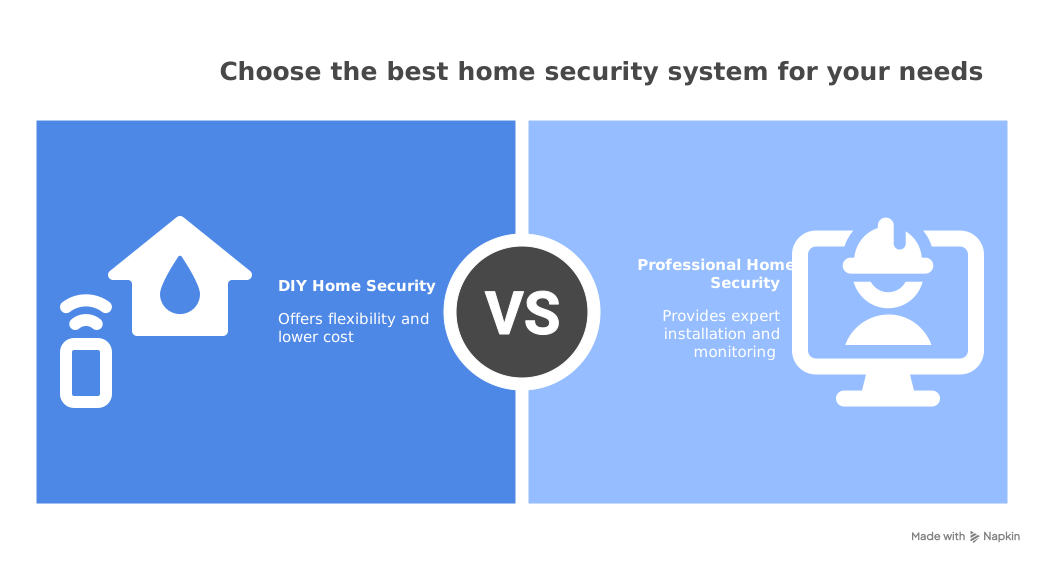
DIY vs. Professional Home Security Systems: Installation and Professional Monitoring Dilemma
This is the final, critical crossroads. Your choice here shapes your experience, cost, and long-term satisfaction.
The DIY Route:
- Pros: Lower upfront cost, no long-term contracts, ultimate flexibility to expand or move sensors, often easier to integrate with other smart home gadgets, pride of self-installation. DIY security systems are increasingly popular for their affordability, easy setup, and customizable features, making them a top choice for budget-conscious homeowners who want to install their own home security systems.
- Cons: You are your own tech support and installer. Placement mistakes can cause false alarms or blind spots. The responsibility for emergency response falls entirely on you and your phone. Integration can be complex.
- Best For: Tech-savvy individuals, renters, those on a tight initial budget, or those who want a simple, customizable system without monitoring contracts.
The Professional Route:
- Pros: Expert burglar alarm installation ensures optimal sensor placement for maximum coverage and minimal false alarms. Systems are often more robust and reliable. You get seamless integration with 24/7 monitoring from day one. Includes professional support, maintenance, and often equipment warranties. Some providers also offer free professional installation as a promotional benefit, which can significantly reduce your upfront costs.
- Cons: Higher upfront installation fees. Typically involves multi-year contracts. Less flexibility to tinker with or move the core system yourself.
- Best For: Those who want a “set-it-and-forget-it” solution, comprehensive whole-home protection, older homes requiring complex wiring, or anyone who values expert guidance and wants the guarantee of professional emergency response.
The Verdict: If your primary goal is convenience and ultimate reliability, lean professional. If your priorities are flexibility, control, and lower ongoing cost, and you’re comfortable with technology, explore robust DIY options that offer optional professional monitoring.
A professional installer like our team at BGS Security Division doesn’t just mount equipment; they conduct a full security assessment, ensure all components communicate reliably, and program the system to your family’s specific routine.
Did you know? In 2023 alone, an estimated 119 million packages were stolen in the U.S., making video doorbells and secure delivery options a key modern security feature.
Source: https://www.safehome.org/data/home-security-statistics/
Your Sanctuary Awaits
You started this guide with a haunting “what if?” – a sound in the night, a pang of vulnerability. You now have the knowledge to replace that fear with confidence. Home Security Systems are not about living in a fortress of fear, but in a haven of assurance.
Take the next step today. Assess your home. Request quotes. Order a starter kit. That single action is the sound of a door locking – not just on your home, but on uncertainty itself. Your peace of mind is essential. Secure it.
Ready to transform your sanctuary? The time is now.
Home Security Systems FAQ: Your Top Questions, Answered
Q1: Is a home security system really worth the investment?
Yes. The value is both financial and emotional. Financially, the average loss from a residential burglary is approximately $5,500. In contrast, the average annual cost for a monitored system is around $700. It would take years of paying for a system to equal the cost of a single burglary. Furthermore, most insurance companies offer a discount of 2% to 10% on homeowners’ insurance premiums for having a professionally monitored system. Emotionally, the 24/7 peace of mind and deterrent effect are invaluable; studies show burglars are less likely to target a home with a visible security system.
Q2: What’s the difference between professional monitoring and self-monitoring?
This is the core choice in modern systems.
- Professional Monitoring: For a monthly fee, a 24/7 monitoring center is alerted if your alarm triggers. Trained operators will attempt to contact you and, if they can’t reach you or verify an emergency, will dispatch police, fire, or medical services on your behalf. This ensures a response even if you’re asleep, traveling, or unavailable.
- Self-Monitoring: You receive alerts directly on your smartphone when a sensor is triggered. The responsibility to assess the threat and call for help falls entirely on you. While this avoids a monthly fee, it creates a potential gap in protection if you miss an alert.
Q3: Should I choose a DIY system or professional installation?
The best choice depends on your technical skill, budget, and desire for customization.
- Professional Installation (e.g., BGS Security Division, Vivint): A technician handles the entire setup, ensuring optimal placement of sensors and cameras. This is ideal for complex systems, larger homes, or if you prefer a hands-off experience. It usually comes at an additional cost (often $100-$500) and may require a long-term contract.
- DIY Systems (e.g., Cove, Abode): These are designed for easy setup, often using adhesive backing. They are generally more affordable upfront, offer great flexibility for renters, and allow you to easily expand or move the system. Installation can often be completed in under an hour.
Q4: Besides intrusion, what else can a modern security system protect?
Today’s systems are comprehensive safety hubs. Most can integrate a variety of environmental sensors to protect against:
- Fire & Smoke: Connected smoke/heat detectors can trigger an alarm and alert the monitoring center.
- Carbon Monoxide: CO detectors can provide life-saving early warnings.
- Water Leaks: Sensors placed near water heaters, basements, or under sinks can detect leaks before they cause major damage.
- Medical Emergencies: Many systems offer wearable panic buttons or pendants for elderly or vulnerable residents to call for help instantly.
Q5: What critical questions should I ask a security provider before buying?
“Is video storage included, and for how long?” Cloud storage for camera footage is usually an additional monthly fee per camera.`
“What happens during a power or internet outage?” A robust system should have a battery backup and a cellular radio to keep communicating with the monitoring center.
“Are there long-term contracts, and what are the cancellation terms?” Contracts can lock in rates but limit flexibility. Many DIY brands now offer month-to-month plans.
“Can I add equipment or integrate smart home devices later?” Ensure the system is scalable and works with platforms like Alexa, Google Assistant, or Apple HomeKit if you plan to expand.