
Table of Contents:
A Note on Expertise: This guide is based on industry standards for temporary installations, lease agreement analysis, and practical experience helping tenants create secure, compliant living spaces. For renters, effective security balances robust protection with respect for property and portability.
Introduction: Building Security That Moves With You
Achieving true peace of mind in a rental home requires a different playbook. Your security strategy must be as adaptable as your lifestyle—highly effective, completely reversible, and designed for transition. Modern solutions empower you to build a formidable, layered defense without permanent modifications. This guide will help you navigate the unique considerations of renting, from lease agreements to landlord communication, and build a security plan you can take anywhere.
1. Unique Challenges and Considerations for Renters
Renters face specific hurdles that fundamentally shape security choices. Acknowledging these is the first step to a smart, compliant strategy.
- Lease Restrictions & Deposit Protection: Most standard leases prohibit drilling, hardwiring, or alterations to doors, walls, and windows. Every security measure must be damage-free to ensure the full return of your security deposit.
- The Portability Imperative: Your security investment should be an asset you can uninstall, pack, and seamlessly redeploy in your next home. Permanence is not an option.
- The Need for Landlord Alignment: For any measure that interfaces with the property’s structure—like a video doorbell or smart lock—securing written permission is essential to avoid conflicts and potential lease violations.
- Space and Layout Constraints: Apartments and rented homes often have unique footprints, shared walls, and proximity to neighbors, requiring discreet equipment and consideration for noise levels. Apartment buildings present unique security challenges, such as shared entryways and increased risk of unauthorized access, making it important to choose security solutions tailored for multi-unit residences.
2. Types of Home Security Systems for Renters
Instead of specific brands, focus on the categories of solutions designed for temporary living. Many renters prefer a diy system for affordability and ease of setup, and some companies now offer a professional diy approach that combines self-installation with professional-grade features and monitoring. Additionally, some providers offer a build your own option, allowing renters to customize their system components to fit their needs and budget.
A quality renter’s system will be wireless, DIY-friendly, and scalable. The installation process is a key consideration for renters—look for systems that offer easy, damage-free setup and do not require drilling holes, making them ideal for those who want to avoid wall damage or complex wiring.
Understanding the key features of each system category will help renters choose the best fit for their needs.
A. The Scalable DIY Wireless Kit
This is the most comprehensive option. It typically includes a hub, contact sensors for doors/windows, motion sensors, and a keypad. All components use adhesive mounts or sit on shelves, communicating wirelessly. You can start with a base kit and add sensors à la carte to fit any layout.
The BGS Perspective: “When we advise renters, we look for kits that offer clear upgrade paths and use reliable wireless protocols which are more stable than Wi-Fi-only systems for sensor networks.”
B. The All-in-One Sensor Hub
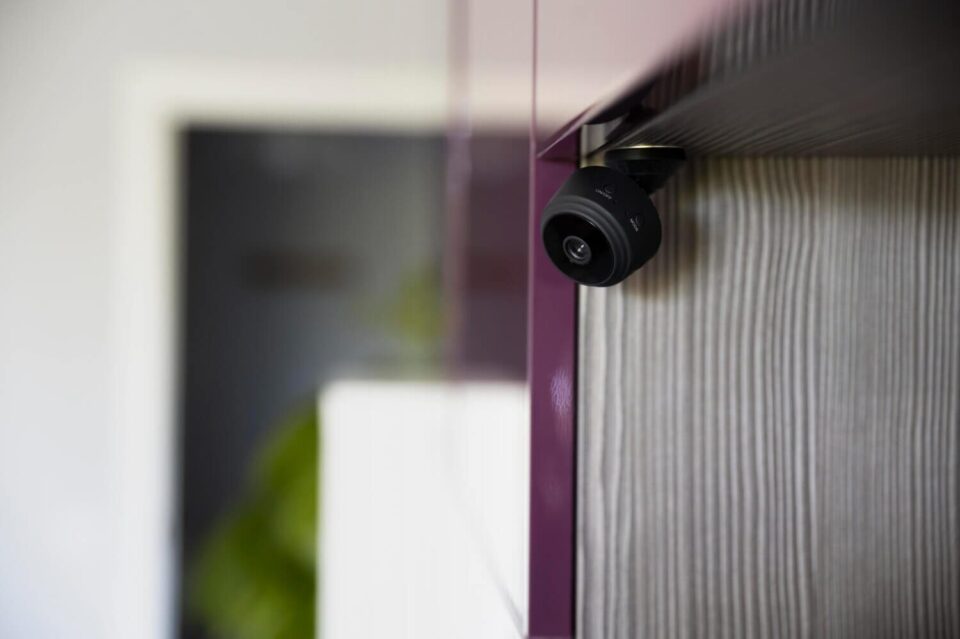
These compact devices combine multiple sensors—motion, glass break, light, temperature, and humidity—into a single, discreet unit that sits on a shelf or bookshelf. These are known as all in one sensors, offering the ability to monitor multiple threats such as motion, entry, and environmental changes in a single, renter-friendly device. They’re perfect for studio apartments or securing a primary room without multiple gadgets.
C. Standalone Smart Cameras & Video Doorbells
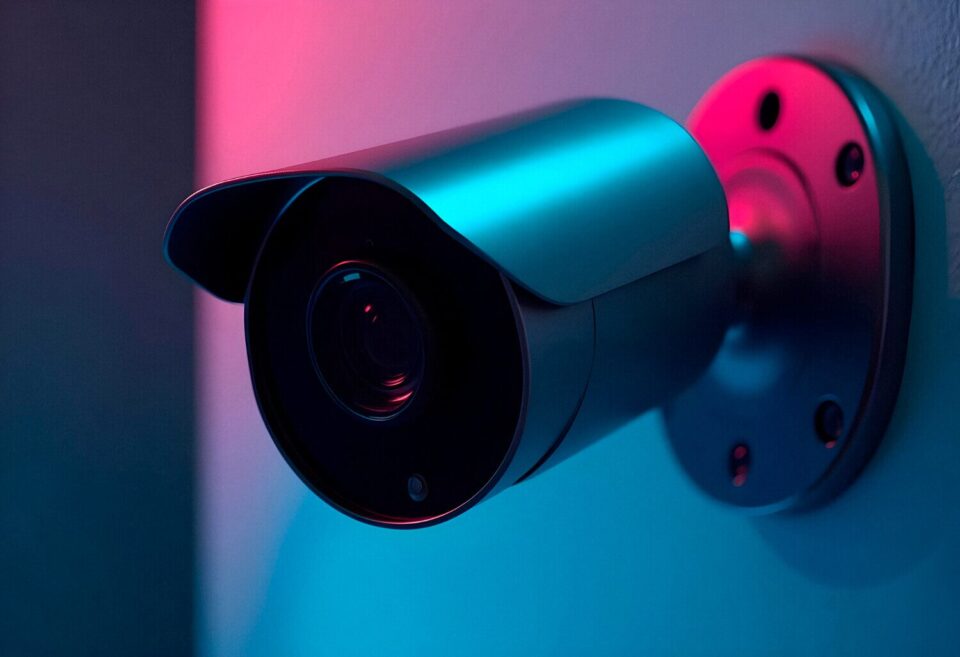
When considering home security for renters, it’s important to distinguish between indoor and outdoor cameras. Choosing the right type for each area of your rental property ensures comprehensive coverage—indoor cameras are ideal for monitoring living spaces, entryways, and common areas, while outdoor security cameras and outdoor cameras are designed to protect the perimeter, offering features like weather resistance, high-resolution video, and flexible placement options. Security cameras for both indoor and outdoor use can be easily integrated into smart home systems, providing renters with motion detection, night vision, and remote access.
These devices provide visual verification and deterrence. For renters, models with battery-powered options and flexible, damage-free mounts (like tension poles or heavy-duty adhesive brackets) are ideal. Always verify Wi-Fi strength at the intended mounting location.
When selecting security cameras, consider the importance of video storage and video history—different systems offer varying durations and access methods for reviewing recorded footage, which can be crucial for evidence or peace of mind.
For entry monitoring, both wireless and wired video doorbell options are available. While wireless models are easy to install and remove, some renters may prefer a wired video doorbell for continuous power and enhanced reliability.
D. Professional-Grade Monitored Solutions
Some professional security providers offer portable, renter-friendly packages. Many providers feature a professional monitoring plan, often with a choice of three monitoring plans to suit different needs and budgets. Popular systems like the BGS Security Services system, Cove System, Frontpoint System are known for their easy DIY installation, reliable monitoring, and features such as smart home integration, making them well-suited for renters. These systems can often be integrated with other systems in your home for enhanced automation and security.
Some renters may prefer to work with an alarm company that offers flexible, short-term contracts and compatibility with other systems, avoiding long-term commitments. If you want professional installation, it can be arranged through a third party service, giving you flexibility without a direct contract. Frequent sales on equipment from these providers can also make professional-grade solutions more affordable for renters. These systems are installed by technicians trained in damage-free methods and include professional monitoring, often with the option to transfer service or equipment to a new address—a valuable service for peace of mind.
3. Non-Permanent, Damage-Free Security Measures
Before investing in technology, implement these high-impact, low-cost physical security layers.
| Security Measure | How It Works | Renter-Friendly Implementation |
|---|---|---|
| Door Reinforcement | Prevents kick-ins and jimmying. | Install a portable door lock (e.g., Yale) that fits inside the existing strike plate. Use a door security bar that braces against the floor. |
| Sliding Door/Window Security | Prevents sliding doors or windows from being forced open. Window sensors can provide an extra layer of security by alerting you if a window is opened unexpectedly. | A simple, cut-to-fit wooden dowel or metal bar placed in the track is supremely effective. Consider adding window sensors for real-time alerts without permanent installation. |
| Window Film | Reinforces glass to resist shattering, delaying entry. | Apply clear security window film. It peels off cleanly with heat when you move. |
| Lighting & Visibility | Eliminates hiding spots and deters approach. | Use battery-operated motion-sensor lights indoors and in dark entryways. Ensure exterior landlord-provided lighting is functional (submit a maintenance request if not). |
**Installation Golden Rule:**Always photograph your walls and surfaces before installing anything. This provides clear evidence of the pre-existing condition and protects your deposit.
Securing the Front Door: First Line of Defense for Renters
The front door is the gateway to your rental home—and often the first target for would-be intruders. For renters, making this entry point as secure as possible is a top priority, and today’s best home security systems make it easier than ever to do so without permanent changes or complicated installation processes.
A modern security system for renters should start with a smart video doorbell. These devices let you see, hear, and speak to visitors at your front door from anywhere, using your smartphone. Features like motion detection, night vision, and cloud storage mean you’ll always have a record of who’s come calling, even when you’re not home. Many wireless security systems offer video doorbells that are easy to install with peel-and-stick backing or simple mounting brackets—no need to drill holes or alter your doorframe.
Smart locks are another essential upgrade for rental properties. With a smart lock, you can lock or unlock your front door remotely, grant temporary access to guests or service providers, and receive alerts if someone tries to tamper with the lock. These devices often integrate seamlessly with other smart home devices, allowing you to build a connected, responsive home security system that fits your lifestyle. Look for models that can be installed with minimal tools and removed without leaving a trace, protecting your security deposit.
When it comes to monitoring, renters have flexible options. A self monitoring plan lets you keep tabs on your home security system through push notifications and real-time alerts on your phone—ideal for those who want control without a monthly fee. For added peace of mind, professional monitoring plans connect your system to a 24/7 monitoring center, ensuring rapid response in case of emergencies. Many of the best security systems for renters, like SimpliSafe and Cove, offer both self monitoring and professional monitoring options, so you can choose what works best for your needs and budget.
Installation is straightforward with today’s wireless security systems. Most equipment is designed for easy DIY installation, so you can set up motion sensors, video doorbells, and smart locks in minutes—no professional installation required, unless you prefer it. This not only saves on costs but also ensures you can take your system with you when you move.
Some of the best home security systems for renters—such as BGS Security Services, Cove, etc — combine high equipment quality, flexible monitoring plans, and renter-friendly installation processes. Whether you’re looking for a comprehensive wireless security system or just want to secure your front door with a video doorbell and smart lock, there’s a solution that fits your space and your lease agreement.
By focusing on the front door as your first line of defense and choosing a security system designed for renters, you can enjoy robust home security, easy installation, and the freedom to move your protection wherever life takes you.
4. Communication with Landlords and Neighbors
A collaborative approach amplifies your safety and ensures compliance.
- How to Propose Security Upgrades to Your Landlord: Frame the conversation around shared benefits. Highlight how the measures are reversible, damage-free, and may reduce liability or insurance risks for the property. Present specific product details and installation methods. Putting your proposal in writing is best. If your rental is managed by a property manager, direct your proposal to them, as they are responsible for overseeing property safety and handling security-related concerns.
- Know Tenant Rights and Landlord Limits: Landlords are generally legally prohibited from installing surveillance cameras inside a rented dwelling, as it violates your right to privacy. Security is your responsibility, but privacy is your right.
- Building a Security-Conscious Community: Introduce yourself to trusted neighbors. A simple agreement to watch for unexpected moving trucks or collect packages can be invaluable. In multi-unit buildings, this informal network is a powerful early-warning system.
5. Must-Have Features for a Renter’s Security System
When evaluating any product or system, use this checklist to ensure it fits the renter’s life:
- Wireless & DIY Installation: Every component must require no drilling or permanent wiring. Look for clear instructions and reliable adhesive or non-destructive mounting hardware.
- No Long-Term Contract: Opt for companies like BGS, that offer month-to-month professional monitoring or robust self-monitoring via app. This avoids cancellation penalties when you move and provides flexibility for renters who may not want to commit to long term contracts.
- Smart Security Features: Choose a system with a smart security hub that supports smart home integrations and home automation. Look for compatibility with a wide range of smart devices and platforms, including Google Home, Amazon Alexa, Apple Homekit, and voice control features for hands-free operation.
- Reliable Connectivity: Ensure the system offers cellular connection and cellular backup, so monitoring continues even during Wi-Fi disruptions or power outages. Battery backup is also essential for uninterrupted protection.
- Self Monitoring Options: Consider systems that provide a self monitoring option, especially those with a free self monitoring option, to keep costs low for budget-conscious renters.
- True Portability: The system should be easy to uninstall, pack, and reinstall in a new location without needing new hardware or expensive “reactivation” fees.
- Minimize False Alarms: Select systems known for minimizing false alarms to ensure reliability and avoid unnecessary disruptions.
- Clear, Transparent Cost Structure: Understand all costs: upfront equipment, monthly monitoring, and any potential fees for transfer or cancellation. There should be no surprises.
- Tested and Trusted: Our recommendations are based on testing dozens of security systems to identify the best options for renters, focusing on performance, flexibility, and ease of use.
Conclusion: Empowering Your Mobile Security
Securing a rental property is an exercise in smart, adaptable layering. By combining tactical physical reinforcements with the right category of portable technology, and by fostering clear communication, you create a safe home that respects your temporary tenure.
At BGS Security Division, we provide consultative guidance for renters navigating these exact challenges. We help you evaluate your space, understand technical specifications, and design a layered plan that offers real protection today and moves with you into the future.
Ready to build a security plan designed for the renter’s life?
Schedule a virtual rental security consultation with a BGS security expert. We’ll review your floor plan, discuss your lease terms, and help you design an effective, portable security strategy that delivers peace of mind now and wherever you go next.