
Table of Contents:
A Note on Expertise: This guide synthesizes protocols from FEMA, the American Red Cross, and industry best practices for integrating emergency readiness with electronic security. True protection means having a plan that works when the power is out, networks are down, and you must rely on foundational strategies.
Introduction: The Critical Layer Beyond Technology
A robust home security system is your first alert. Emergency preparedness is your assured response. While technology monitors threats and controls access, a comprehensive safety plan ensures your family can react effectively when those systems are overwhelmed or disabled by the event itself. This final piece of the security puzzle prepares you not just for intrusion, but for fires, natural disasters, medical crises, and extended power outages, completing your overall home protection strategy.
To be truly ready, it is essential to prepare by planning, training, and equipping your family to respond confidently to emergencies.
1. The Importance of a Unified Preparedness Mindset
Emergencies expose the limits of standalone systems. A generator won’t tell you to evacuate, and an alarm panel won’t provide fresh water.
- It Complements Your Security System: Preparedness turns passive alerts into active, coordinated family action. It answers the question, “The alarm went off, or the power failed—now what do we do?“ When developing an emergency preparedness plan, several factors—such as family size, home layout, and local risks—should be considered to ensure your plan is effective and tailored to your needs.
- It Addresses System Failures: Fires can burn through wiring, earthquakes can sever communication lines, and storms can cause extended power outages, disabling even the best systems with battery backup.
- It Builds Confidence and Reduces Panic: A practiced plan replaces chaos with clarity. Knowing what to do and where to go reduces fear and can save critical seconds and lives.
2. Essential Emergency Preparedness Strategies for Homeowners
These foundational actions create a resilient household.
- Risk Assessment: Identify the most likely threats for your region (wildfire, earthquake, flood, tornado, hurricanes, extended blizzard) and your home (gas line rupture, electrical fire).
- Communication is Infrastructure: Designate an out-of-town contact everyone can call if local networks fail, as long-distance calls may work when local lines are jammed. Ensure all family members have the number memorized or written down. Leverage your local community for support and information during emergencies.
- Utility Control: Every responsible adult must know how to safely shut off natural gas, water, and electricity at the main valves and panel. Keep the proper tools (like a gas shut-off wrench) accessible. Be aware of carbon monoxide risks when using generators or during wildfires.
- Secure Your Assets: Bolt heavy furniture, bookshelves, and water heaters to wall studs to prevent injury and damage during earthquakes. Know how to quickly secure outdoor items that could become projectiles in high winds. Secure all doors as critical entry points, and ensure smoke detectors and carbon monoxide detectors are installed as essential safety equipment.
- Test Your Equipment: Regularly test all safety equipment, including alarms, smoke detectors, and carbon monoxide detectors, to ensure they are functioning properly.
Understanding Security System Components: What’s Protecting Your Home?
A modern home security system is more than just a deterrent—it’s a multi-layered shield designed to protect your family from a wide range of threats, from break-ins to natural disasters and even medical emergencies. At the heart of every effective security system are several crucial components: alarm systems, security cameras, motion sensors, and home automation devices. Each plays a unique role in safeguarding your home.
Alarm systems provide immediate alerts in the event of unauthorized entry or environmental hazards, while security cameras offer real-time surveillance and evidence collection. Motion sensors detect movement in and around your home, adding an extra layer of detection, and home automation devices allow you to control and monitor your security remotely. Professional installation ensures that all these components work together seamlessly, maximizing coverage and minimizing vulnerabilities. By planning ahead and understanding how each device functions, you can ensure quick access to help and a coordinated response when emergencies occur. Investing in a comprehensive home security system is a proactive step toward protecting your loved ones and property, no matter what challenges arise.
Types of Alarm Systems and Their Roles
Alarm systems are the backbone of most home security systems, acting as the first alert when trouble strikes. There are two main types: wired and wireless. Wired alarm systems are known for their reliability and are less susceptible to interference or false alarms, making them a solid choice for permanent installations. Wireless systems, on the other hand, offer flexibility and easier installation, making them ideal for renters or those who may move homes.
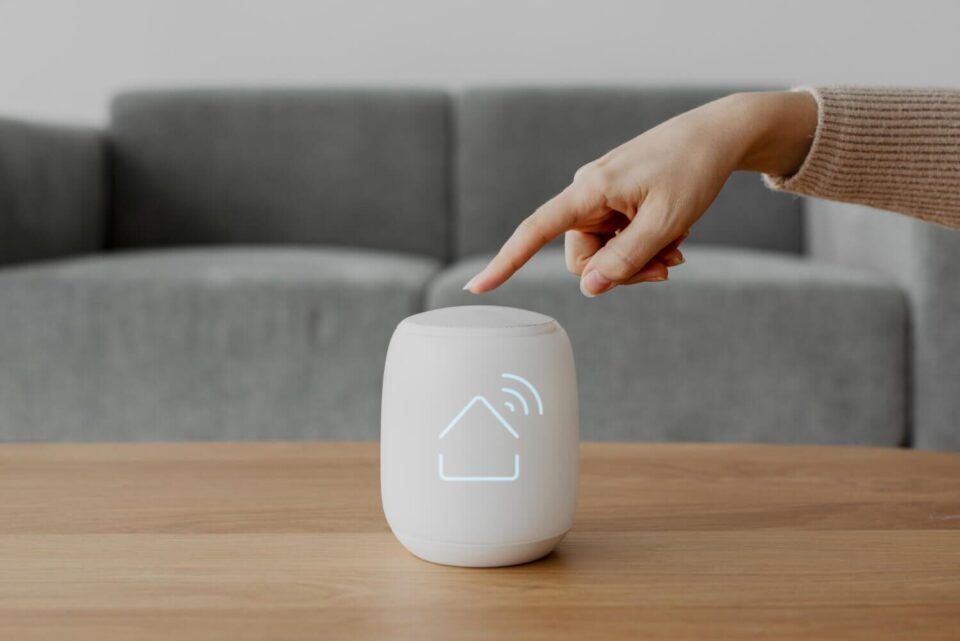
Professional monitoring services, such as those provided by BGS Security Division, take your alarm system to the next level by ensuring that any alert—whether triggered by a break-in, fire, or medical emergency—receives a rapid response from trained professionals. This can mean faster response times from emergency services and greater peace of mind for your family. Many modern alarm systems can also be integrated with home automation platforms like the our Smart Hub, allowing you to control alarms, lights, and locks from a single device. This integration not only streamlines your home security but also helps reduce false alarms and ensures your system is always ready to respond when you need it most.
Security Cameras and Surveillance: Eyes When You Need Them Most
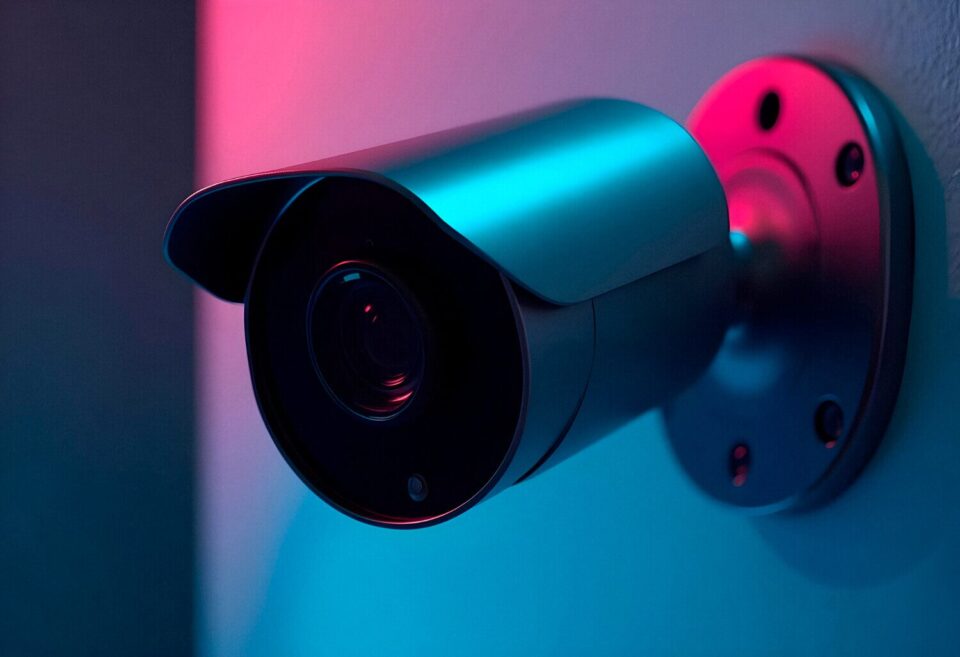
Security cameras are a vital part of any home security system, providing both a visible deterrent to would-be intruders and a way to keep an eye on your property—no matter where you are. With the ability to monitor your home in real time, security cameras help you stay connected and aware, whether you’re at work, on vacation, or simply in another room.
There are a variety of security cameras to choose from, including indoor and outdoor models. Outdoor cameras are designed to withstand the elements and keep watch over your home’s perimeter, while indoor cameras are perfect for monitoring key areas such as entryways, nurseries, or living spaces. Many cameras now come equipped with advanced features like motion detection, night vision, and high-definition video, ensuring you have clear footage day or night. By integrating security cameras into your home security system, you gain an extra layer of protection and the ability to respond quickly to any suspicious activity.
Types of Security Cameras for Every Scenario
Choosing the right security cameras for your home means considering your unique needs and the layout of your property. For larger homes or properties with extensive grounds, outdoor cameras with a wide range and weather-resistant housing are essential for comprehensive coverage. If you have children or pets, indoor cameras with motion sensors and two-way audio can help you keep tabs on activity and communicate instantly if needed.
Many modern security cameras offer cloud storage and remote access, allowing you to review footage and receive alerts directly on your smartphone or tablet. Integration with other smart devices—such as doorbells, motion sensors, and home automation systems—creates a seamless security network that adapts to your family’s routines. By selecting cameras that fit your specific requirements, you ensure that your home security system is both effective and easy to manage.
Home Automation and Home Security: Smart Solutions for Emergencies
Home automation is transforming the way we approach home security, offering smart solutions that make it easier than ever to protect your home and respond to emergencies. Devices like smart locks, thermostats, and lighting systems can be controlled remotely, giving you the power to secure your house, adjust settings, and monitor activity from anywhere.
When integrated with your home security system, home automation devices enhance both convenience and protection. For example, smart locks can automatically secure your doors when you leave, while smart lights can be programmed to simulate occupancy or illuminate your path during an emergency. Security cameras and alarm systems can be linked to your home automation hub, allowing for centralized control and faster response in critical situations. The added functionality of these devices not only streamlines your daily routines but also ensures your home is always ready to respond to the unexpected.
Introduction to Home Automation in Crisis Situations
In a crisis, every second counts—and home automation can make all the difference. Smart locks allow you to secure your home instantly, while smart lighting can guide your family safely to exits or alert neighbors to trouble. Many home automation devices feature built-in emergency response options, such as panic buttons or automated alerts, which can notify you and professional monitoring services the moment an emergency occurs.
By integrating home automation with professional monitoring, you create a robust safety net that supports your family when it matters most. Whether it’s locking down your home during a break-in, turning on lights during a power outage, or sending an alert to emergency responders, these smart devices provide the support and protection you need to stay safe. Understanding and utilizing the full range of home automation features ensures your security system is not just reactive, but proactive—helping you create a safer, more resilient home for your family.
3. Creating Your Family Emergency Preparedness Plan
A plan is a set of clear, written instructions, not a vague idea. Use resources like FEMA’s free family communication plan template as a starting guide. Organize your emergency documents and supplies into a single, easy-to-access package so everything you need is ready at a moment’s notice.
| Plan Component | Key Actions & Decisions |
|---|---|
| Shelter-in-Place vs. Evacuation | Define triggers for each. When do you hunker down in a safe room, and when do you leave immediately? |
| Emergency Exits & Safe Rooms | Identify two ways out of every room. Designate a safe meeting place outside (e.g., a neighbor’s mailbox) and an internal safe room (for tornadoes or intruders). |
| Family Communication Plan | List emergency contacts, including how to contact emergency services and have their numbers included in your plan. Teach children how and when to call 911. Establish how you will communicate if separated (text, social media, out-of-town contact). |
| Pet & Dependent Care | Plan for evacuating with pets. Have a kit for them. Arrange help for elderly family members or those with special medical needs. |
| Document Security | Keep digital copies of insurance policies, IDs, and medical records in a secure, password-protected cloud storage you can access from your phone. |
4. Emergency Kits and Supplies: Curated for Security & Survival
Your kits should address both immediate escape and prolonged sheltering without power or water.
Consider the cost of assembling a comprehensive emergency kit, as expenses can vary depending on the quality and quantity of supplies. You can always upgrade your emergency kit over time, adding or replacing items as your needs or budget change.
Primary “Grab-and-Go” Kit
Keep this in a sturdy, portable bag (like a backpack) near your primary exit. It should sustain your family for at least 72 hours.
- Basics: Water (1 gal/person/day), non-perishable food, manual can opener, first-aid kit, medications.
- Tools & Safety: Flashlights (hand-crank or battery-powered), NOAA weather radio, multi-tool, whistle, duct tape, work gloves, dust masks, optional: portable motion detectors for temporary security during evacuations.
- Security & Communication: Portable phone charger, local maps, list of emergency contacts, cash in small bills, a backup printed copy of your family plan.
Supplemental Home Kit
This supports sheltering in place for up to two weeks.
- Extended Supplies: Additional water, food, and medical supplies.
- Home Security Items: Fire extinguishers on every level, spare keys in a secure lockbox, heavy-duty plastic sheeting and tape to seal rooms from contamination, backup power for essential medical devices and security system components. Make sure smoke and carbon monoxide detectors are properly installed on every level of your home for maximum safety.
Vehicle Kit
A scaled-down version of your grab-and-go kit, plus blankets, ice scraper, jumper cables, and flares.
BGS Security Division Insight: “We advise clients to integrate their kits with their security system. Store a grab-and-go bag in the same closet as your security panel. This creates a single, familiar ‘command center’ in a crisis, pairing situational awareness from your system with the tools to act.”
5. Training and Drills: Practicing Your Plan
A plan is only as good as the familiarity of the people using it. Drills build muscle memory.
- Schedule Regular Drills: Conduct fire drills and evacuation drills quarterly. Practice different scenarios—a fire in the kitchen, an intruder in the living room, a tornado warning.
- Incorporate Your Security System:
- Practice arming and disarming the system quickly during a drill.
- Test the panic button functions.
- Simulate a power outage: Can you still operate key security features? Do you know where the flashlights and backup batteries are?
- During each drill, include thorough testing of all emergency equipment—alarms, smoke and carbon monoxide detectors, and backup power sources—to ensure everything functions as expected. Use these opportunities to identify any issues and upgrade equipment or procedures as needed.
- Review and Refine: After each drill, discuss what worked and what didn’t. Was the escape path clear? Did everyone remember the meeting place? Update your plan and kits accordingly.
- First-Aid & CPR Training: This is one of the most valuable preparedness investments. Enroll your family in certified courses from the Red Cross or local fire department.
Conclusion: The Ultimate Layer of Protection
Emergency preparedness is the human element that completes your home’s defense. It ensures that when technology reaches its limit—as it inevitably does during major crises—your family has the knowledge, supplies, and practiced routines to survive and stay secure. This transforms your home from a monitored structure into a resilient sanctuary.
At BGS Security Division, we view preparedness not as an add-on, but as the essential final phase of system design. We help clients develop these plans, ensuring their security technology and their human response protocols are fully aligned.
Ready to build the final, most critical layer of your home security?
Schedule a security and preparedness consultation with a BGS Security Division specialist. We’ll review your current system, help you develop a tailored family emergency plan, and ensure you are fully prepared to respond when every second counts.