
Table of Contents:
Implementing business security systems best practices is essential, as a state-of-the-art security system is only as effective as its implementation. When selecting a business security system, it is crucial to identify the key features that will provide the most effective protection for your specific needs. The process of selecting, installing, and managing these systems is a critical business project that demands a strategic approach.
This guide is designed for business owners, facility managers, and security decision-makers seeking to implement or upgrade their security systems. A business security system is a coordinated set of devices and protocols designed to protect a business’s physical premises, assets, and personnel from threats such as theft, intrusion, and emergencies. Adhering to best practices ensures that your security investment delivers maximum protection, operational efficiency, and peace of mind.
Modern business security requires comprehensive solutions that address not only physical threats but also operational efficiency and safety. Every business faces unique risks and operational needs; choosing the right security setup tailored to those needs is essential for effective protection. The choice of security measures for a business depends on factors such as business size, budget, and operational complexity, which may change as the business grows. Following a structured set of best practices—from initial assessment to ongoing maintenance—transforms security technology from a static purchase into a dynamic, resilient shield for your business. Specifically, a security assessment identifies vulnerabilities, alarm system selection addresses immediate threats, and ongoing maintenance ensures long-term effectiveness—each step building on the previous for a comprehensive approach. This guide outlines the five essential practices that ensure your investment delivers maximum protection and value.
Introduction to Security Solutions
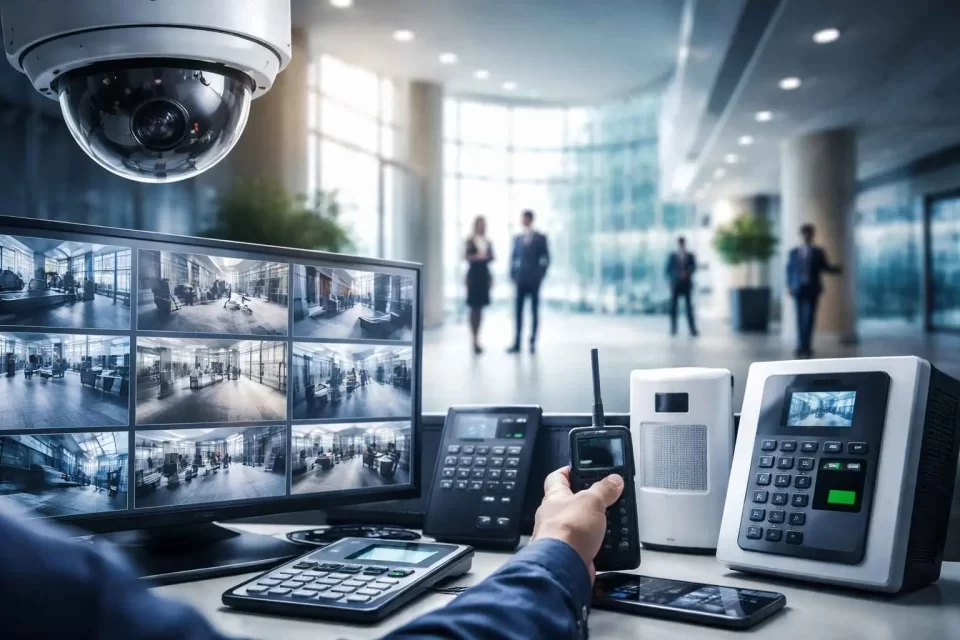
In today’s fast-paced business environment, safeguarding your organization against security threats is more important than ever. A robust business security system is no longer a luxury—it’s a necessity for protecting your assets, employees, and sensitive data. Modern security systems offer business owners a comprehensive range of solutions, from advanced access control systems that limit entry to authorized personnel, to alarm systems that provide both a deterrent and rapid response to potential incidents. Security cameras, including smart and night vision models, enable real-time monitoring and video surveillance, giving you visibility over your entire organization at all times. With the evolution of security technology, businesses can now implement tailored security systems that address their unique risks and operational needs, ensuring peace of mind and a proactive stance against evolving security threats.
With an understanding of available security solutions, the next step is to assess your business’s unique vulnerabilities.
1. Start with a Comprehensive Security Assessment
Before installing a single camera, a thorough security assessment is non-negotiable. This foundational step involves identifying security risks through a holistic review of your business’s unique vulnerabilities, assets, and operational flow to inform a tailored security strategy.
An effective assessment goes beyond a walkthrough. According to security firm Global Guardian, the best assessments take an integrated approach, evaluating interconnected risks across physical, digital, and operational domains. Intrusion detection is a key aspect, ensuring that unauthorized entry points are monitored and real-time alerts are possible. This means examining not just door locks and camera blind spots, but also how a physical breach could lead to a data compromise. Evaluating access areas such as entrances, loading docks, and sensitive zones is essential to ensure comprehensive protection.
For businesses seeking a structured starting point, the U.S. Cybersecurity and Infrastructure Security Agency (CISA) offers a Security Assessment at First Entry (SAFE). This is a rapid, no-cost assessment performed by a CISA Protective Security Advisor that identifies high-level vulnerabilities and good practices in under two hours. Whether you use a government resource or a private firm, the outcome should be a clear report that catalogs existing strengths, pinpoints vulnerabilities, and provides prioritized options for mitigation. Common risks such as break-ins and theft prevention are assessed to ensure your business is protected against loss and operational disruption. Tailoring assessments for small business owners is crucial, as their needs and risks differ from larger enterprises. Special attention is given to commercial property, focusing on the unique security requirements of business locations.
BGS Perspective: We treat the assessment as a diagnostic consultation, not a sales pitch. Our process begins with understanding your business objectives and risk tolerance. We analyze everything from supply chain entry points and IT server room access to employee shift patterns. This deep dive ensures the recommended system doesn’t just address generic threats but solves your specific operational security challenges.
A thorough security assessment lays the groundwork for selecting the right alarm system to address your business’s specific risks.
2. Choosing the Right Alarm System
Selecting the right alarm system is a critical decision for business owners aiming to achieve comprehensive protection. Today’s market offers a variety of options, including wireless alarm systems, traditional wired systems, and hybrid solutions that combine the best of both worlds.
Alarm System Types
| Alarm System Type | Description | Best For |
| Wireless | Uses radio signals for communication; minimal disruption during installation. | Businesses seeking flexibility and easy installation. |
| Wired | Relies on physical cabling for connectivity; highly reliable. | Larger or more complex facilities requiring robust infrastructure. |
| Hybrid | Combines wired and wireless components for customization. | Unique building layouts and evolving security needs. |
Key Features to Consider
When evaluating alarm systems, it’s essential to consider your specific security requirements, budget constraints, and the physical characteristics of your property. Features such as real-time monitoring, advanced access control, and smart automation features can significantly enhance your security posture.
- Real-time monitoring: Ensures that any security threats are detected and addressed instantly.
- Advanced access control: Allows you to restrict entry to sensitive areas and track movement throughout your facility.
- Smart automation: Includes remote arming and instant alerts to your mobile device for added convenience and peace of mind.
By carefully assessing these factors, business owners can choose an alarm system that delivers comprehensive protection and meets the unique demands of their business.
Once you have selected the appropriate alarm system, it is important to consider the supporting features and technologies that will enhance your overall security posture.
3. Security Features and Technologies
Modern security systems are equipped with a wide array of features and technologies designed to keep your business secure around the clock.
Access Control Technologies
Access control systems, including keycard readers and biometric scanners, restrict entry to authorized personnel and sensitive areas, thereby minimizing the risk of unauthorized access.
Surveillance Capabilities
Security cameras with night vision capabilities and motion sensors provide continuous video surveillance, ensuring that every corner of your property is monitored—even in low-light conditions.
Advanced security features like real-time monitoring and instant alerts enable business owners to respond to security threats as they happen, whether on-site or remotely via a mobile device. Smart automation allows for seamless integration of security systems, enabling remote access to live camera feeds, system controls, and event logs. These technologies not only deter theft and unauthorized entry but also provide valuable evidence for future reference in the event of security incidents.
By leveraging the latest security features and technologies, businesses can stay ahead of potential threats and ensure a safer, more secure environment for their entire organization.
With a robust set of features and technologies in place, the next step is to establish clear policies that govern their use and ensure consistent security practices.
4. Establish Clear, Enforceable Security Policies
Technology is only one layer of defense. Clear, documented policies provide the human framework for security, setting expectations and defining acceptable behaviors for everyone in the organization.
An effective security policy is more than a set of rules. As defined by cybersecurity experts, a security policy spells out the rules, expectations, and overall approach an organization uses to protect its data and assets. It acts as the “what and why,” guiding the implementation of technical controls and daily procedures. Policies should also address the management of burglar alarms and business alarms, ensuring proper use, maintenance, and response protocols are in place.
Key Policy Areas:
- Physical Security:
- Access control protocols
- Visitor management
- Clean desk policies
- Procedures to limit access to sensitive areas
- Cybersecurity:
- Password standards
- Acceptable use of company IT resources
- Data handling procedures
- Crisis Management:
- Defined roles and communication plans for emergencies like fires, intrusions, security breaches, or system failures
- Procedures for fire alarms and emergency response
Crucially, policies must have buy-in from senior management and be realistic to enforce. An overly burdensome policy will be ignored, while one without consequences lacks teeth. Surveillance and incident response policies should also address the use of monitoring systems and monitoring services to ensure continuous observation and rapid response to incidents.
BGS Perspective: We help clients translate their security system’s capabilities into practical policy. For example, if we install an advanced access control system, we help draft the accompanying policy that defines authorization levels, badge use protocols, and audit review schedules. We advocate for policies that are living documents, reviewed and updated at least annually to adapt to new threats and technologies.
With clear policies in place, the next step is to ensure all employees are trained to follow them and use the security systems effectively.
5. Conduct Thorough, Engaging Employee Training
The most common point of security failure is human error. Therefore, training employees on system operation and security protocols is not a one-time event but an ongoing cultural imperative.
Key Training Topics:
- System Operation:
- How to arm/disarm alarms
- Use of intercoms
- Operation of smart cameras, modern systems, and night vision cameras
- Security Monitoring:
- Procedures for monitoring and reviewing video footage
- Responding to alerts
- Security Hygiene:
- Recognizing social engineering
- Securing workstations
Effective training must be engaging and relevant to change behavior. Traditional, lecture-based training often fails because employees zone out or forget the material. Best practice calls for interactive, role-specific training that connects security protocols to daily tasks.
BGS Perspective: Our training philosophy is hands-on and scenario-based. We don’t just hand over a manual; we conduct live sessions where employees practice responding to simulated events using the actual system interface. We also provide “refresher” micro-training videos for common tasks and ensure that training is a mandatory part of the onboarding process for every new hire. Additionally, we leverage our security services to provide ongoing training support and keep your team up to date with the latest security practices.
Once your team is trained, it’s essential to regularly test your systems and procedures to ensure ongoing effectiveness.
6. Commit to Regular Testing, Drills, and Maintenance
Security is a continuous process, not a project with an end date. Regular testing validates your system’s functionality, including monitoring services and monitoring systems, while drills prepare your team to respond effectively. Proactive maintenance prevents failures before they occur and should include fire alarms as part of your maintenance schedule.
Testing and Drills
Scheduled tests and unscheduled drills build “muscle memory” for incident response. These should encompass both physical and cyber threats.
Types of Drills
| Drill Type | Description | Business Application |
| System Function Test | Scheduled checking of sensors, alarms, camera feeds, and backup batteries. | Ensures all technical components are operational; often monthly or quarterly. |
| Tabletop Exercise | A discussion-based session where key stakeholders walk through a hypothetical security incident (e.g., data breach, break-in) to discuss roles and responses. | Tests communication plans, decision-making authority, and procedural gaps without disrupting operations. |
| Phishing Simulation | Sending simulated phishing emails to employees to gauge susceptibility and reinforce training. A phishing simulation is a controlled test to see how employees respond to fake phishing attempts. | Measures and improves employee vigilance against the #1 cyber attack vector. |
| Full-Scenario Drill | Simulating a specific event (e.g., an unauthorized person in a restricted area) to test the integrated response of personnel and technology. | Validates the entire security ecosystem—from detection and alarm to employee action and lockdown procedures. |
Proactive Maintenance
A neglected system will fail. Regular maintenance involves cleaning camera lenses, testing sensor sensitivity, replacing batteries, and applying software and firmware updates. This regimen prevents malfunctions, extends the system’s lifespan, and ensures you benefit from the latest security patches and features.
BGS Perspective: We enforce a proactive maintenance calendar for our clients. This includes scheduled site visits for physical inspections and remote health monitoring of system connectivity and software. More importantly, we schedule annual review meetings to analyze incident logs, assess if the system still matches your business’s risk profile, and plan for necessary upgrades. We believe maintenance is the key to transforming security from a capital expense into a long-term, value-generating asset.
Annual review meetings should also evaluate whether you still have the right system for your business needs, ensuring your security setup continues to address evolving risks and operational requirements.
By committing to regular testing, drills, and maintenance, you ensure your security system remains effective and resilient in the face of changing threats.
Secure Your Foundation with a Strategic Partner
Implementing a business security system is a significant undertaking that intertwines technology, processes, and people. By adhering to these best practices—starting with a deep assessment and culminating in a culture of continuous testing and improvement—you build a resilient security posture that protects your assets, ensures operational continuity, and provides lasting peace of mind.
Ready to implement a security system with a strategy built to last?
Schedule a comprehensive security assessment with BGS Security Division. Our experts will guide you through every phase—from initial vulnerability analysis and phased installation to policy development, engaging training, and ongoing proactive maintenance—ensuring your security investment delivers a tangible return for years to come.
Conclusion
A well-designed business security system is the cornerstone of a resilient and secure organization. By understanding the importance of security solutions, carefully selecting the right alarm system, and leveraging advanced features and technologies, business owners can protect their assets, employees, and reputation from a wide range of security threats. Implementing best practices—from comprehensive assessments to ongoing maintenance—ensures that your security investment delivers lasting value and peace of mind. Partnering with experienced security professionals like BGS Security Division provides the expertise and support needed to create a security solution tailored to your unique needs. Take the next step to protect your business and ensure its continued success with a comprehensive, modern security system.